
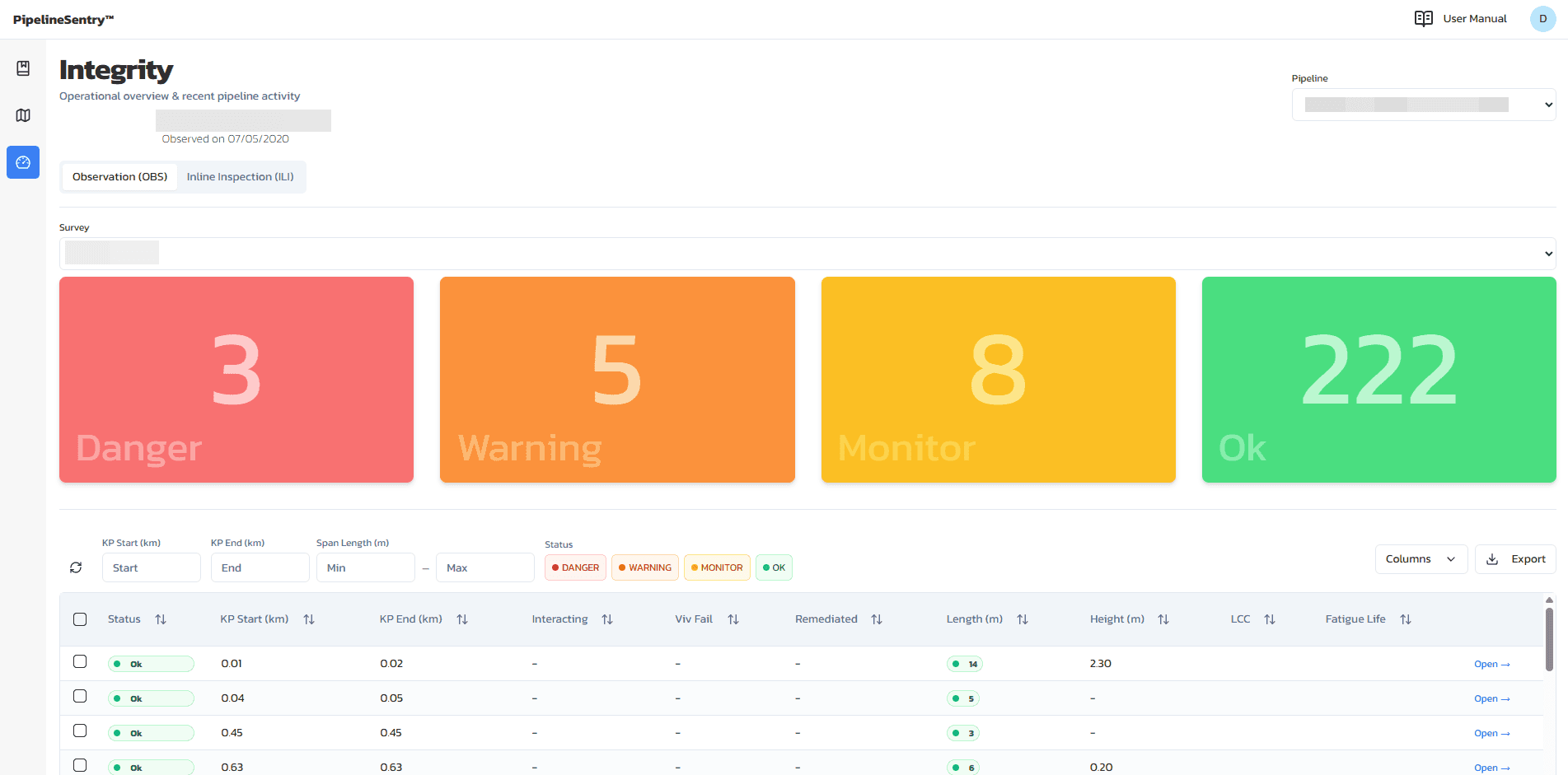
This update covers how PipelineSentry is being developed to support repeatable integrity review without hiding engineering judgement.
Pipeline integrity work depends on process as much as data. Teams need to know what has been reviewed, what evidence was available, what assumptions were used and what action was agreed. When that process is spread across emails, spreadsheets and disconnected notes, the decision trail becomes harder to follow.
PipelineSentry's workflow and rules work is focused on making those review steps more visible. The aim is to help users move from record review to engineering action while keeping the reasoning and supporting evidence close to the decision.
Keeping judgement in the workflow
Integrity software should not turn engineering judgement into a black box. The useful role for workflow tooling is to make the process easier to follow: what stage an item is in, what information supports it and what needs to happen next.
That distinction matters. PipelineSentry is being shaped to support engineers, not replace them. Rules can help make routine checks consistent, but the product still needs to expose the evidence and assumptions behind each review.
Why rules are useful
Rules are useful when they make repeated work clearer. They can help identify missing information, highlight items that need attention, support prioritisation and keep status changes consistent across a team.
For public users evaluating the platform, this is an important part of the product direction. PipelineSentry is not only a place to view records. It is also being built to help teams manage how those records are reviewed and acted on.
Traceability across handover
Pipeline integrity work often passes between different people and organisations. Internal engineering teams, inspection vendors, contractors and assurance stakeholders may all interact with the same finding or action. Each handover creates a risk that context is lost.
A structured workflow helps reduce that risk by keeping the review path visible. If a finding is escalated, deferred, accepted, repaired or closed, later users should be able to understand the state of the work and the evidence that supported it.
How this connects to the platform
The workflow layer depends on the rest of the PipelineSentry model. A workflow item is more useful when it can reference directory records, map context, inspection data and visual evidence. That connection helps avoid a common problem where tasks are tracked separately from the material needed to complete them.
The product direction is to make workflow feel like part of the asset record rather than an administrative overlay. Review status, evidence and decisions should stay connected as users move through the platform.
Development direction
The current focus is on making workflow states and rule-driven checks clear enough for practical use. The platform needs to support repeatable review while remaining transparent about what has and has not been assessed.
As these features develop, they will sit alongside the central directory, map-based context and 3D visualisation work. Together, those pieces support a more connected approach to integrity management: records, location, visual context and decisions in one product environment.